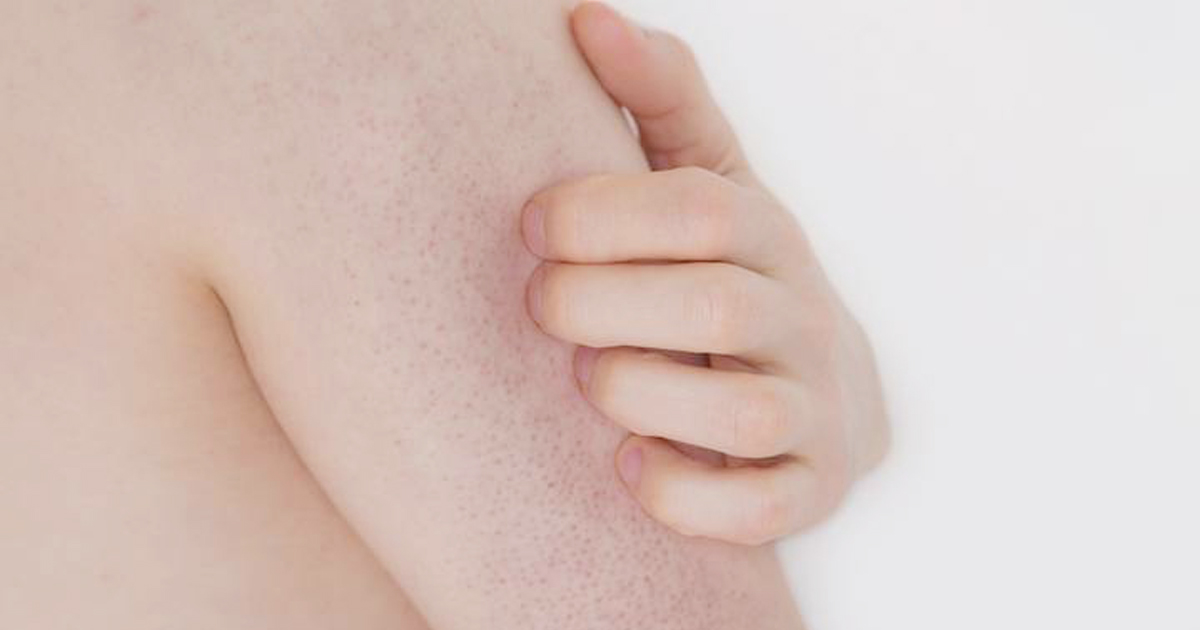
What’s KP?It is a genetic condition, meaning that it runs in families. If your family members are prone to dry skin, eczema, asthma or even seasonal allergies, then you may be more at risk for KP.
Keratosis pilaris is worse in childhood and the young adult years. It is also worse when your skin is really dry. The spiny rough bumps often improve with age. Though the skin condition is not curable, you can make it much better with the right skin care products and treatment.
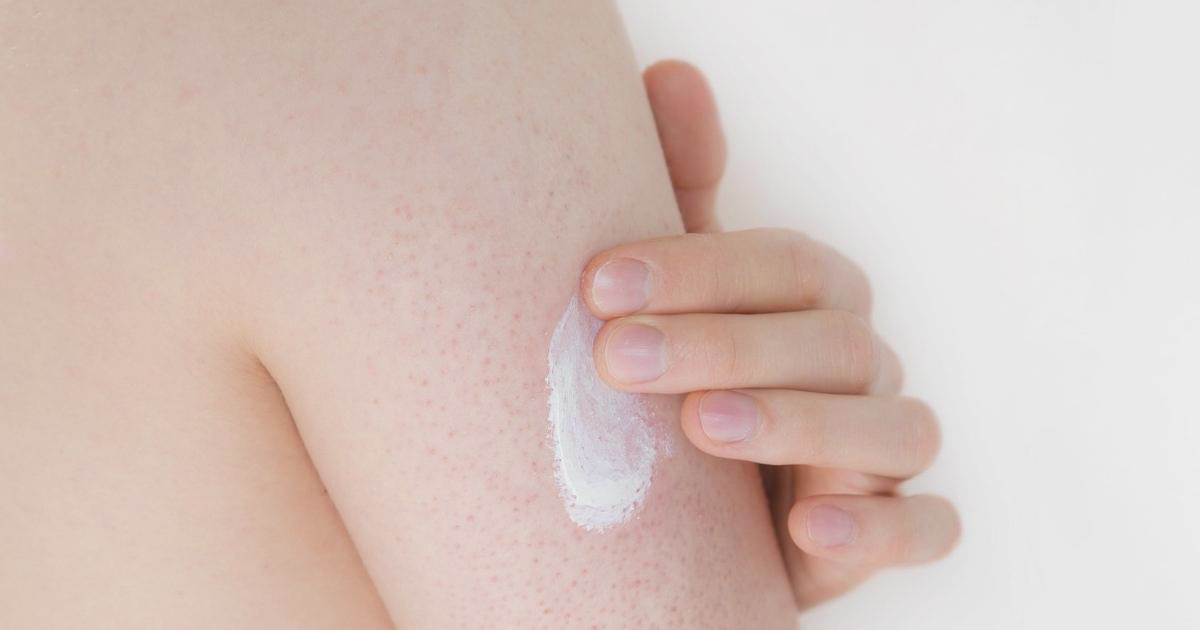
How to get rid of KP?Treatment involves keeping the skin hydrated to soften and help get rid of the rough bumps. We also want to break the little plugs apart. We do this by using skin cleansers, moisturizing creams and lotions that contain ingredients called keratolytics. Keratolytics are ingredients that loosen the ‘glue’ holding dead cells together. The soft, loosened cells in the plugs are then exfoliated with a rough cloth. Done regularly, the KP bumps will melt away.
Why Glycolic Acid?Glycolic acid is an excellent keratolytic for KP. It is the best of the alpha-hydroxy acids for loosening the glue holding dead cells together. When used in a moisturizer, glycolic acid works wonders on keratosis pilaris. Other keratolytics that work against KP include lactic acid, salicylic acid, and benzoyl peroxide. Urea can also help to soften the plugs.